
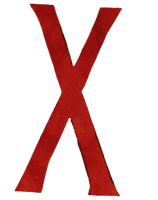
Xylographe
Silograpiya
Ang mga xylograph ay mga bloke ng kahoy na inukit ng maingat para gawing parang selyo. Bago pa naimbento ang mga modernong makina, ito ang isa sa mga pangunahing paraan ng pag-imprenta. Binabasa ng tinta at pinipindot sa papel, bawat ukit ay nag-iiwan ng hindi nabuburang bakas. Ganyan ko rin nakikita ang kultura natin—mula pagkabata, parang may bakas na agad na iniiwan sa pagkatao natin, na hindi na mabubura at siyang humuhubog sa atin.
Nang ako’y pitong taóng gulang, kadalasan ay hindi na ako makapaghintay habang ang aking ina ay naglalakad sa tindahan ng abaseriya, na nag-aayos sa bawat estante at maingat na sinusuri ang bawat pasilyo. Paminsan-minsan, ang kanyang mukha ay maliliwanagan kapag nasumpungan niya ang kanyang hinahanap, maging ito man ay patis o ampalaya, ngunit mas madalas ay umalis siya nang tahimik at nahihiya.
Dati’y nagtataka ako kung bakit siya naghahanap ng masigasig, ngunit ngayon na ako’y mas matanda na ay nauunawaan ko na. Hindi lamang mga sangkap ang hinahanap niya, kundi mga piraso ng kanyang kaluluwa. Sinusundan niya ang isang lasa ng tahanan, isang piraso ng kanyang sariling pagkakakilanlan, at isang koneksyon sa buhay na iniwan niya nang umalis siya sa Dubai mula sa Singapore. Sa mga daan na iyon, siya ay naghahanap para sa kanyang sariling xylograph – ang pangmatagalang imprint ng kanyang kultura at kasaysayan.
Sa kabaligtaran, ang metafora ay hindi gumagana ng maayos para sa akin tulad ng ginagawa nito para sa aking ina dahil lumaki ako sa 4 na magkakaibang bansa – Switzerland, Singapore, UAE, at Pilipinas. Para sa akin, ang pinakamainam na paglalarawan sa aking pagkatao ay na ako’y isang mosaic ng lahat ng kultura ng mga bansa na aking kinalakihan pati na rin ang lahat ng mga taong nakilala ko sa aking buhay.
Xylograph
Xylographs, or wooden blocks engraved meticulously to serve as stamps, predated modern presses as one of the primary ways to print. Inked and pressed onto paper, each block left a lasting, inerasable mark. Similar to how xylographs print, I believe our cultures imprint themselves on our identities from the moment we are born, leaving marks that are not only permanent but fundamentally shape who we are as people.
When I was 7, I often grew impatient as my mother wandered through the grocery store, rummaging through every shelf and inspecting every aisle attentively. Occasionally, her face would brighten as she would find what she was looking for, whether that be fish sauce or rice paper, but more often she left quiet and disappointed.
I used to wonder why she searched so earnestly, but now as I am older I have begun to understand. It wasn’t just ingredients she was seeking, but fragments of her soul. She pursued a taste of home, a piece of her own identity, and a connection to the life she left behind when she left for Dubai from Singapore. In those aisles, she was searching for her own xylograph —the enduring imprint of her culture and history.
On the contrary, the metaphor does not work as well for me as it does for my mom because I grew up in 4 different countries – Switzerland, Singapore, the UAE, and the Philippines. I feel that a better descriptor of who I am is that I am a mosaic of all the cultures of the countries where I grew up as well as all the people that I have met in my life.
Xylographe
Les xylographes, blocs de bois gravés méticuleusement pour estampiller, ont précédé les presses modernes comme l’un des principaux moyens d’impression. Encrée et pressée sur le papier, chaque bloc laissait une marque durable et ineffaçable. Similaires aux xylographes, je crois que nos cultures s’impriment sur nos identités dès notre naissance, laissant des marques qui ne sont pas seulement permanentes, mais qui façonnent fondamentalement ce que nous sommes en tant que personnes.
À l’âge de 7 ans, je m’impatientais souvent lorsque ma mère se promenait dans l’épicerie, fouillant chaque étagère et inspectant attentivement chaque allée. Parfois, son visage s’éclairait lorsqu’elle trouvait sa sauce de poisson ou ses feuilles de riz, mais le plus souvent, elle repartait silencieuse et déçue.
J’avais l’habitude de me demander pourquoi elle parcourait si sérieusement les rayons, mais maintenant que je suis plus âgé, je commence à comprendre. Ce n’étaient pas seulement des ingrédients qu’elle cherchait, mais des fragments de son âme. Elle poursuivait un goût des Philippines, un morceau de sa propre identité et un lien avec la vie qu’elle avait laissé derrière elle en déménageant à Dubaï de Singapour. Dans ces allées, elle cherchait son propre xylographe, l’empreinte durable de sa culture et de son histoire.
Par contre, pour moi cette métaphore n’est pas aussi parlante que pour ma mère parce que j’ai grandi dans quatre pays différents. Je sens que je suis plutôt une mosaïque de toutes les cultures d’où j’ai vécu et de toutes les personnes que j’ai rencontrées dans ma vie.
Qui a écrit cette histoire ?
Cette histoire a été réalisée par le/les auteur⋅trices suivant⋅es, qui font partie du groupe Trames.
Découvrez d'autres histoires de l'albécédaire
Voici quelques histoires tirées au hasard ...
Changements
nouveau !

1 commentaire
lebor
Salut Renzo,
J’ai adoré te lire, vraiment. Ta métaphore du xylographe est super intéressante. Et l’image de la mosaïque te correspond tellement bien, c’est beau la façon dont tu vois ton identité. Merci pour ce partage !